Going green used to sound expensive. Many school leaders once saw it as a nice idea that strained tight budgets. That thinking is changing fast. New report shows schools are saving serious money by investing in sustainability.
This shift is about cutting costs in smart, lasting ways. From energy upgrades to waste control, schools are finding real savings that go straight back into classrooms.
Energy Efficiency Pays Off
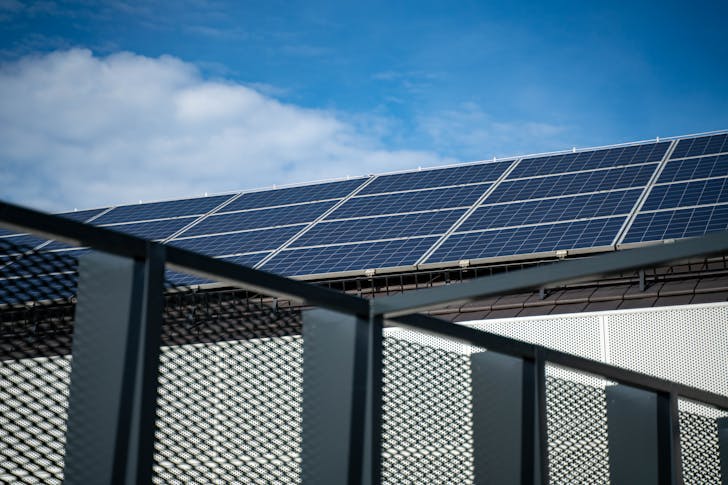
Vlad / Pexels / Energy is one of the biggest expenses for any school district. Heating, cooling, and lighting large buildings costs a lot each year.
That is why energy efficiency has become the first target for change.
Fairfax County Public Schools in Virginia offers a clear example. The district reduced energy use by 31% since 2014, even while expanding its buildings. That effort has saved more than $100 million over time. Those savings did not come from one big change, but from steady upgrades like LED lighting and better HVAC systems.
These improvements also changed behavior inside schools. Staff and students became more aware of how they use energy each day. Small actions like turning off lights and managing equipment added up quickly.
Other districts are following the same path. In New York, Pittsford Central School District is using an energy performance contract to fund upgrades. The plan guarantees over $700,000 in yearly savings without raising taxes.
The district is adding solar panels, fixing building insulation, and upgrading systems across campuses. One solar installation alone is expected to generate over $67,000 per year. Federal incentives and energy credits make the numbers even stronger.
Across the Atlantic, schools in Europe show similar results. A school in Wales replaced old systems with heat pumps and solar panels. The lighting upgrade alone is expected to save £20,000 over its lifetime.
Cutting Waste is Helping Save Cash
Energy is only part of the story. School cafeterias are another area where money often slips away. Food waste and poor sorting systems increase disposal costs more than most people realize.
A study in Hennepin County, Minnesota, found that 91% of school waste could be reused, recycled, or composted. That number is hard to ignore. It shows how much money schools throw away without knowing it. By making simple changes, six schools in the program could save up to $52,000 each year. Those changes included shared tables for unused food, better sorting bins, and improved planning in kitchens.
The impact goes beyond savings. Students learn better habits when they see how waste is handled. That creates long-term change that reaches beyond school walls. Portland Public Schools in Maine saw similar results. A focused audit helped schools reduce trash pickup costs by about $4,000 per year at each site.
Smarter Water Use Leads to Stronger Savings
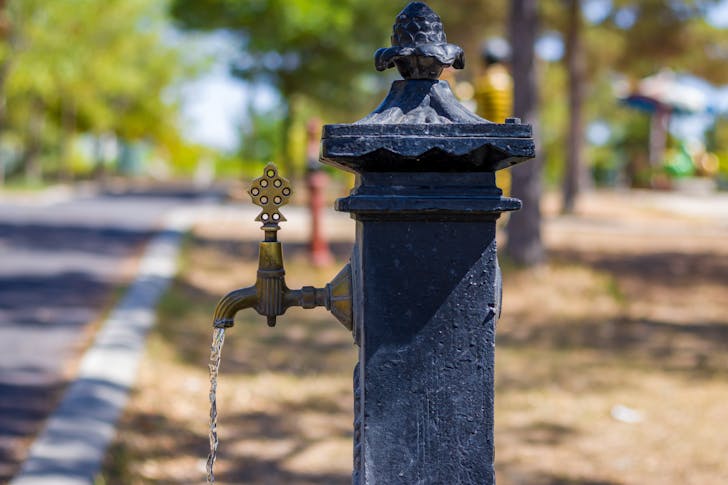
Murat / Pexels / Water costs are rising, especially in areas that face drought or high demand. Schools use a lot of water for landscaping, maintenance, and daily needs.
That makes water conservation a strong opportunity for savings.
In Texas, Carrollton-Farmers Branch Independent School District installed a smart water management system across 20 campuses. The system tracks usage, detects leaks, and adjusts irrigation automatically.
In the first year alone, the district saved 8.2 million gallons of water. That translated into more than $66,000 in cost savings. The system also found 25 maintenance issues early, preventing bigger problems later.
Technology plays a key role, but planning matters just as much. Schools that monitor usage closely make better decisions about maintenance and upgrades. State programs are helping push these efforts forward. Maryland, for example, has committed $36 million to help schools adopt clean energy and efficiency upgrades.
The idea that sustainability costs too much is fading fast. Schools are proving that smart investments reduce expenses while improving operations. The best part is that these changes scale well. Large districts and small schools can both benefit. Some projects require funding, but many start with simple changes in behavior and planning.