Exploring sustainable materials has become a practical way to create clothing and home projects with less environmental strain. These fabrics help limit waste, reduce resource consumption, and support more responsible production methods. They also bring unique textures, finishes, and fibers that add character and depth to every piece.
Here’s a closer look at the most reliable eco-friendly fabrics and the sewing habits that help them deliver their best results.
1. Organic Cotton
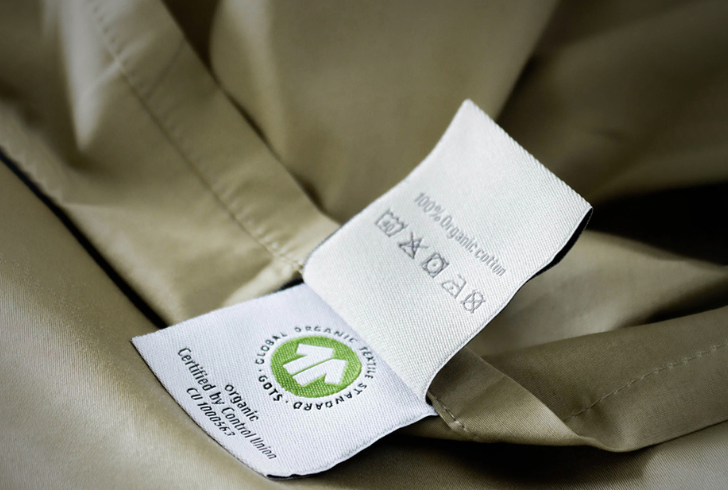
Instagram | sapphiretextilemills | GOTS verifies that organic cotton meets strict sustainability benchmarks.
Organic cotton remains a staple for anyone choosing planet-friendly textiles. It’s cultivated without synthetic pesticides or fertilizers and generally requires less water than standard cotton. This approach supports both environmental health and safer working conditions for farmers.
When purchasing organic cotton, certifications such as Global Organic Textile Standard (GOTS) help verify that the fabric meets strict quality and sustainability benchmarks.
2. Hemp Fabric
Hemp stands out for its durability and low-impact cultivation. The plant grows rapidly, needs minimal water, and does not rely on chemical treatments. Its natural texture gives finished garments a distinctive surface, and the fabric’s breathability keeps clothing comfortable.
Hemp fibers also carry natural antibacterial qualities, which makes them suitable for apparel, everyday linens, and home items that benefit from long-lasting freshness.
3. Recycled Polyester
Recycled polyester is created from post-consumer materials such as plastic bottles, keeping them out of landfills. Choosing this fabric reduces plastic accumulation and limits the demand for newly produced synthetic fibers.
Its strength and ability to handle moisture make it a common pick for activewear, outerwear, and accessories. Designers appreciate how versatile it is without sacrificing sustainability goals.
4. TENCEL/Lyocell
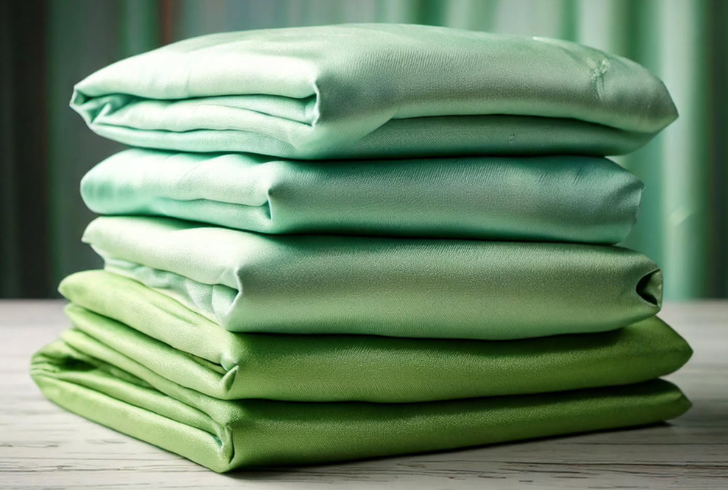
Instagram | tencel_india | TENCEL is a biodegradable wood fiber made via a closed-loop system.
TENCEL/Lyocell fibers originate from sustainably sourced wood pulp processed through a closed-loop system designed to limit waste and water usage. Since these fibers are biodegradable, they offer an appealing alternative to petroleum-based materials.
They create fabrics that feel smooth, breathable, and gentle on sensitive skin, making them a top choice for delicate garments, loungewear, and items that call for softness.
Sewing Tips for Sustainable Fabrics
Working with sustainable textiles becomes easier with a few simple habits:
1. Pre-wash the material to avoid shrinkage after stitching.
2. Use sharp needles suited to the fabric’s weight or texture to prevent snags.
3. Choose threads made from organic cotton or recycled polyester to maintain consistency in environmental impact.
These steps help preserve the fabric’s quality and ensure the final piece looks clean and well-finished.
Sustainable fabrics such as organic cotton, hemp, recycled polyester, and TENCEL/Lyocell offer a practical way to reduce environmental impact while experimenting with unique textures and finishes. Selecting responsibly sourced materials and using thoughtful sewing techniques supports long-term planet-friendly practices and elevates the quality of handmade items.